7 Good Bugs for Your Garden
There are a few bugs that are beneficial to the garden. However, some gardeners, especially newbie ones, are probably non enlightened of the perks. These beneficial insects eat pests or insects that crusade damage to your garden or mural.
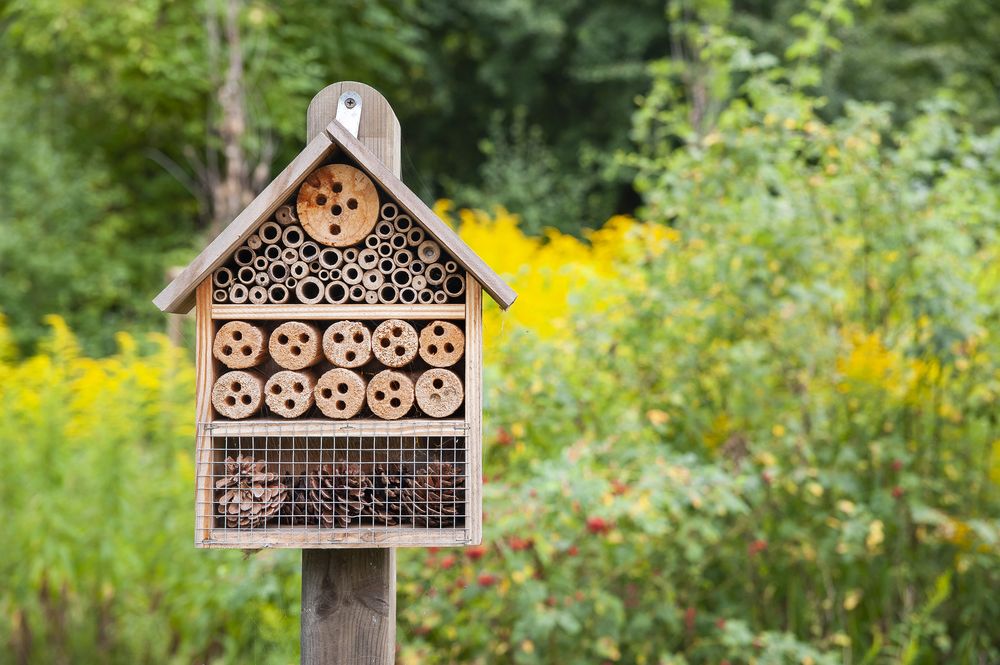
By keeping your plants safety from predatory insects, they help to keep the environment in balance. Farmers or gardeners need to know which bugs are beneficial to their garden. So, we'll focus on the benign bugs merely.
Apart from eating the damage-causing insects, the good bugs also assistance in plant pollination. If yous notice them around your garden, let them stay. Identifying the good bugs from the bad bugs is essential. Yous don't desire to suppress them by keeping the environment inhabitable through constructed pesticides. In fact, according to a study from the Academy of Maine, 97 percent of more than than 1.5 1000000 insects in the world are benign to the garden.
Nigh flowering plants rely on bugs like bees, butterflies, moths, beetles, or even flies for pollination. Other bugs that are beneficial to the soil, assistance keep information technology well aerated by breaking down dead living or non-living organisms. Examples of such bugs are the likes of ladybirds and beetles. Allow's find out more nigh beneficial insects.
More than Nearly Benign Insects
There'due south no denying the fact that beneficial bugs perform a very vital role in the garden. Again, out of 1.v million bugs in the globe,97 percent of them are beneficial, while the remaining 3 percent are destructive ones. Beneficial bugs are classified into three main categories;
- Pollinators: These bugs help in plant pollination—examples are bees, butterflies, flies, and moths.
- Predators: These are bugs that assistance eliminate insects that impairment plants. They eliminate by eating them. Examples are insects like ladybugs, praying mantises, and light-green lacewing larvae.
- Parasites: These lay their eggs on the bad bugs, when the eggs hatch, the larvae feed on the host insects. Interesting, right? They prey on the bad bugs just like the predators do, their way of doing information technology is the merely difference. Perfect examples are the parasitic wasps.
How to Place Skilful and Bad Bugs in Your Garden
How you identify helpful bugs in the garden from the bad ones is an elemental footstep towards giving your plants the perfect surroundings to thrive and bloom opulently. Never be in a rush to kill bugs in the garden as you could end up killing the most beneficial ones.
On the other hand, this must not be at the expense of ignoring the bad bugs. Use the following tips to draw a line between the expert and bad insects in your garden.
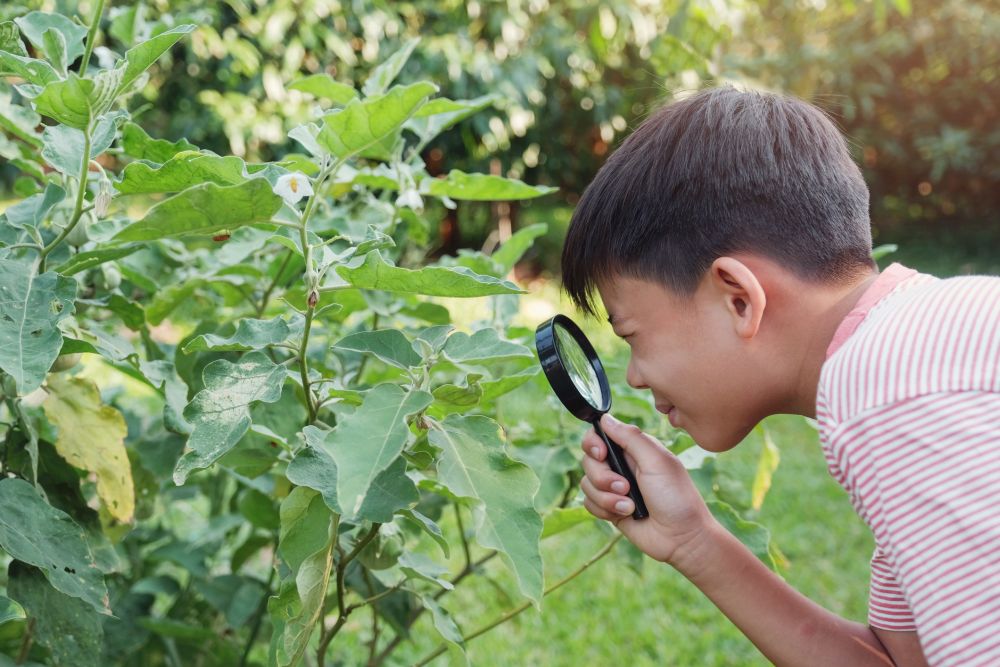
First, you need to take time and observe the insects before taking whatsoever action. If the insect is causing much damage through its feeding, the probability is loftier that it'south a pest. Another affair to annotation is if the insects come in large numbers as this could exist a articulate indication of pest infestation that might require the help of natural remedies. The sooner you get conclusive information, the better you'll be at controlling them effectively.
The second salient step would be to research and identify the blazon of bug buzzing around your garden. Compare an actual bug that yous've captured or killed to images and data of insects on various skillful sites.
You'd be surprised at how many useful insights you'll find on the internet. If after some inquiry you suspect that you might have killed the good bugs, you volition have learned not to impale information technology next time you lot locate it in your garden or vice versa.
7 Skillful Bugs for Your Garden
We have featured some of the near common skilful bugs in our garden. Keep reading to larn which ones y'all'll let coexist with your outdoor plants.
1. Bees
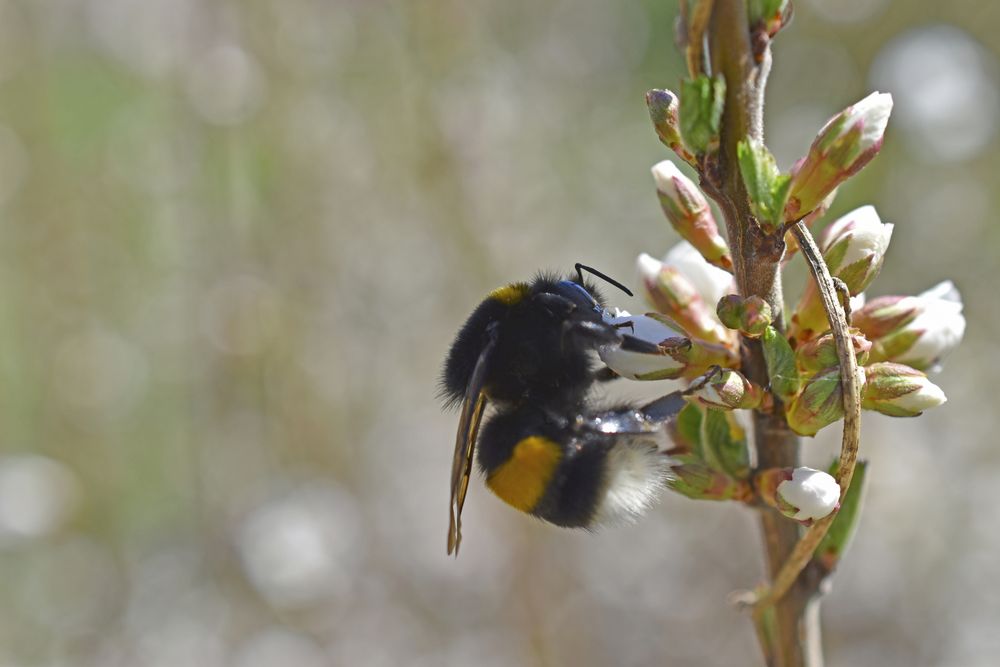
Everyone knows bees for just the dear. The truth is that bees have other beneficial properties, peculiarly in the garden. And if y'all're growing vegetables a lot often, you want to preserve the existence of bees around your kitchen garden at all costs.
Whatsoever seeds, basics, berries, or fruits in the garden may demand bees for pollination. If y'all have these plants in your garden, y'all will probably come across bees buzzing around so don't be then quick in shooing them abroad. Some of the vegetables that are likewise pollinated by bees include quashes, cucumbers, pumpkins, eggplant, and watermelons. If the bees are absent-minded, then yous'd need to pollinate your vegetables by mitt.
How to Concenter Bees
Bees are attracted by growing plants that continuously blossom all season long. The plants you're looking to grow should have the ability to produce nectar without running dry on information technology. Some factors will determine whether bees will be attracted to your garden a lot more oft. Ground bees, for instance, are attracted to the type of soil that doesn't comprise too much mulch.
Some bees like h2o sources and they always end up making sources like mud puddles their home. So, if you accept a rain garden with some wildflowers, in that location are chances yous'll oft see bees coming around.
Adding a honeybee hive is a certain way of attracting bees in your garden as they ultimately end up settling there. Alternatively, consider leaving a dead tree in a strategic place in your garden. In the long run, bees will brand a domicile for themselves.
two. Soldier Beetles
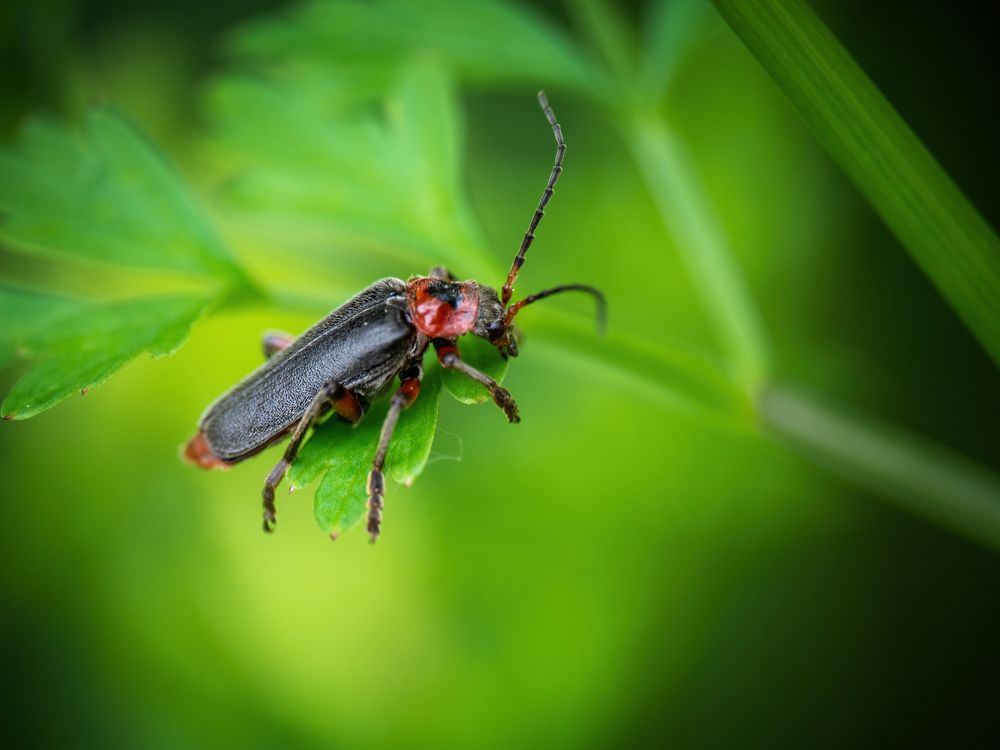
Soldier beetles are attracted to plants that continuously flower with flowers. In other words, they're mainly attracted to pollen and nectar. Even during the wintertime, soldier beetles survive in larvae form. Its larvae tend to feed on other insects' eggs and larvae.
They hunt past destroying the bad bugs earlier they breed any further. Soldier beetles eat eggs/larvae of insects like beetles, grasshoppers. Adult soldier beetles swallow soft-bodied bigger insects similar aphids and however feed on flower nectar and pollen. Most of all, these beetles make perfect establish pollinators.
How to Attract Soldier Beetles
Attract Soldier beetles past growing yellow flowers in your garden. Examples of these flowers are the goldenrod, unmarried-flowered marigolds, zinnia, coneflower, globe thistle, sunflowers, and many others. It's also of import to keep them in the garden by maintaining permanent plants or herbs in the garden where their larvae go to pupate without disturbance.
In other words, you lot desire to provide cover and enough food for soldier beetles while they're in their larval and adult stages. Soldier beetles prefer weeds like goldenrod, milkweed, and wild lettuce. The larvae will need a moist soil construction that's loose with lots of establish debris.
And so, you desire to consider mulching the topsoil with tree barks and shrubs to help with moisture retention.
iii. Green Lacewings
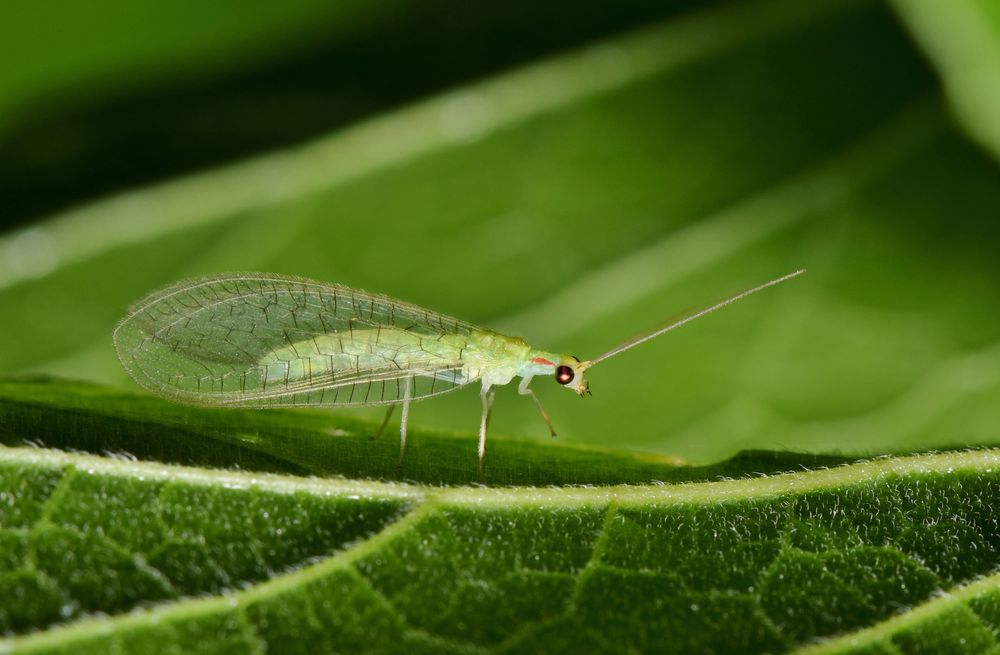
Adult green lacewings are predators that feed on pollen and nectar produced by flowers. They also eat bad bugs like aphids, caterpillars, and worms that eat cabbages. Lacewings dear aphids so much that they assail them with fatal injections.
Normally, larva from lacewings injects digestive juices into the aphid that end up dissolving its inner trunk parts in only a couple of minutes leading to its death. I way to identify lacewings is their 6 distinct legs. The lacewing larvae will stick around for nigh 10-14 days.
How to Attract Lacewings
Ane major way of attracting green lacewings is to avoid getting rid of the bad bugs using pesticides. Lacewings dread the toxicity levels held by synthetic pesticides. They are likewise left with nada to feed on if insects similar aphids are eliminated. Another way of attracting greenish lacewings is by planting flowers that are active in all seasons. Then, y'all desire to aim for those bright-looking flowers that survive the entire blooming season.
Aforementioned as bees, these are bugs that are significantly attracted by the presence of pollen and nectar in outdoor plants. Daisies, asters, angelica, golden marguerite, and coriander are some of the ascendant flowering plants that are cherished by lacewings.
For the most function, they volition exist in your garden to feed on the parasitic bugs and reproduce. Some gardeners also prefer buying lacewing larvae from nurseries nearby with enough stock to get rid of an infestation. This is yet another easy way of having and keeping lacewings in your garden.
4. Ground Beetles
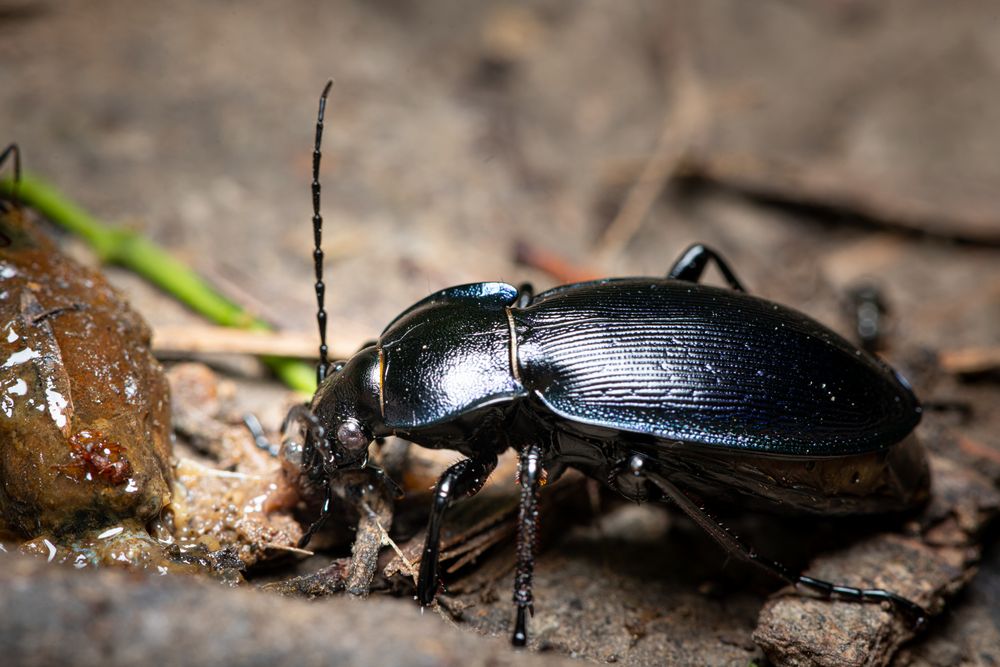
'Ground beetles' is a general name used for different types of insects. There are believed to exist more than than 2500 types of these beetles in the globe. Black beetles give the 'dangerous insects' impression to many gardeners. They could be very beneficial to your garden. Their power to dig downwards into mulch exposes any nighttime pests.
The ground beetles dearest feeding on worms mostly. Apart from worms, footing beetles too feed on snails and slugs. Many ground beetles as well casualty on seeds from weeds. You'll need an army of basis beetles if you're looking to finer suppress weeds in your garden.
How to Concenter Ground Beetles
Every bit mentioned to a higher place, ground beetles like digging into mulch and other decomposable organic matter. They are attracted to gardens with mulch since this is the perfect spot for laying their eggs and convenance into mature beetles.
Another effective way of attracting them is by putting small stones in your garden. This is of import considering these beetles tend to hibernate beneath these stones. A rotten log in the garden will too certainly attract ground beetles. If you have decomposable plant matter in your garden, this scales up the rate of breeding.
five. Lady Beetles
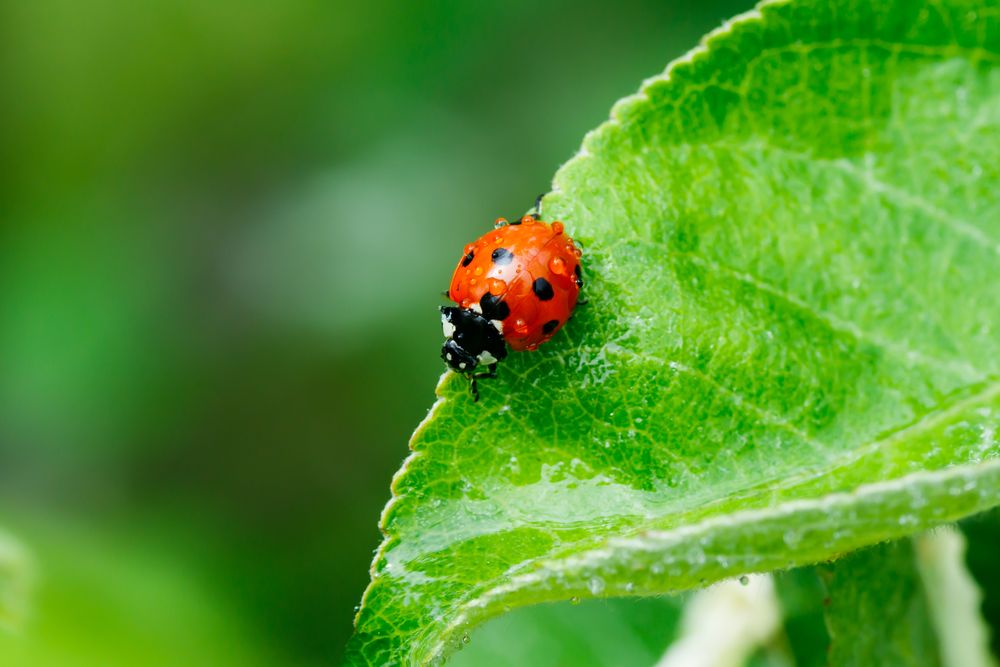
Popularly known as Lady beetles, many people love to see them in their gardens. They are miniature, attractive beetles with black and crimson colors. These beetles feed on insects like aphids, mites. Later feeding harmful insects for a long time the ladybug lays eggs on the leaves of plants virtually where insects like aphids love to residuum best. Its larvae eventually end up feasting on the aphids.
How to Attract Lady Beetles
Autonomously from insects, Lady beetles are also attracted by pollen from certain plants. Some of the common ones include herbs and flowers like cilantro, dill, fennel, caraway, yarrow, tansy, angelica, and many others.
Growing these plants in your garden may be a sure way of alluring ladybugs. Mulching is also a perfect fashion of attracting them as they beloved to dig into mulch and dead organic matter. Yet, spraying plants with chemicals can kill these beetles equally they beloved being on the leaves well-nigh of the time.
vi. Assassin Bugs
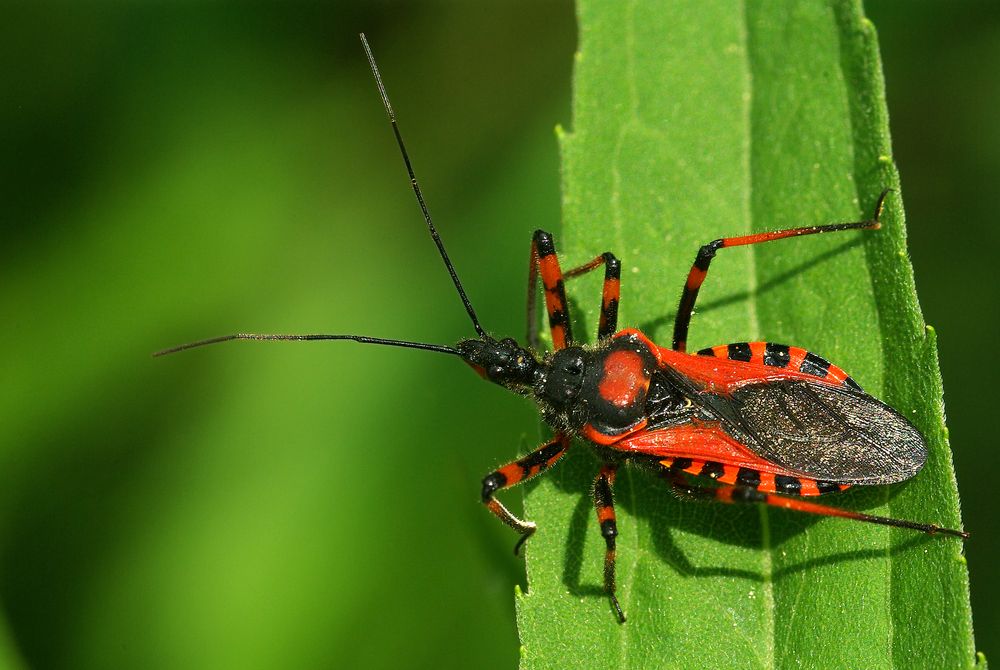
Assassin bugs are mostly confused for squash bugs because they are a mix between a praying mantis and a squash issues. They have elongated heads and long legs. Their heads are narrow with round, long, needlelike mouthparts.
Assassin bugs are great friends to gardeners because they feed on garden pests like caterpillars, flies, aphids, and ants. They also assistance with minimizing the use of insecticides. They utilise their long, precipitous mouthparts to capture prey.
After capturing the prey, they release some toxins that they utilize to paralyze the prey with. The prey's body fluids are so sucked using their straw-similar mouthparts. Assassin bugs are generally rare species to detect and locate.
How to Concenter Assassin Bugs
These bugs can be attracted by creating a suitable environs for them in your garden and growing the correct plants. There are several strategies to hacking this. Assassin bugs love areas with plenty light. Installing a calorie-free source about your garden would exist fantabulous.
This could piece of work by and large on the lawns. Whatever blazon of light would be ideal. Another fashion would be to fill a bowl with gravel and water then place it in your garden. About insects and pests including the assassin bugs love and are attracted by water.
The just matter you have to do is fill up water in the pan until you tin run across information technology at the surface of the gravel so that the assassin bugs tin can drink the h2o without drowning.
With the presence of assassin bugs, you lot don't need to employ any chemical insecticides input in your garden equally they assistance eliminate any pests or bad bugs similar aphids and caterpillars from your garden. Using these chemicals would also kill the assassin bugs.
Grow plants that assassin bugs dear. Flowers like marigolds, dandelions, goldenrod, and tansy are a practiced attraction to these bugs considering they are rich in pollen and nectar. Consider planting herbs like dill and fennel as well. Provide enough nutrient to the assassin bugs past planting many plants that attract pests that they can feed on to keep them longer in your garden.
7. Parasitic Wasps
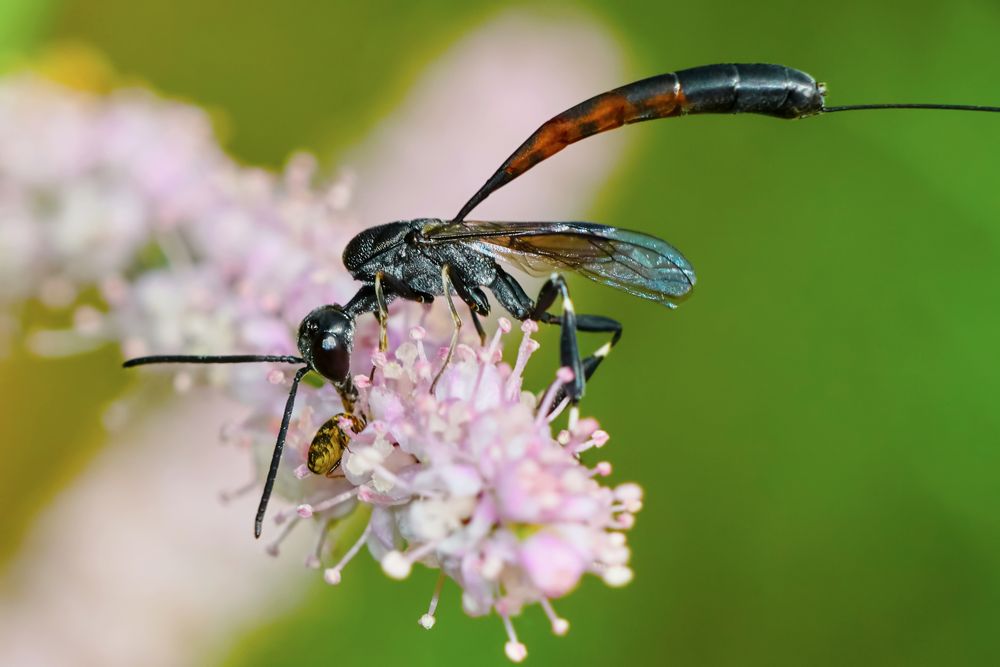
These are tiny wasps that you would hardly notice in the garden. Parasitic wasps are in large, different species, around the world. They are of importance in the garden since they eliminate bad bugs. Parasitic wasps set on pests by laying eggs on peak of other insects that later cause death to these pests.
Braconid wasps lay their eggs on the backs of worms and caterpillars and leave white cocoons on them. If y'all come up across a caterpillar with such white cocoons on its back, don't call back of killing it. Rather, move information technology to a safer spot in the garden for the wasp to take care of it.
These cocoons also breed into more wasps. Trichogramma wasps lay their eggs inside the eggs of other insects. They attack insects like gypsy moth caterpillars, grasshoppers, and green stink bugs.
How to Concenter Parasitic Wasps
Plant umbrella-shaped flowers to attract them-they similar pollen and nectar. Examples of these are arrow, Queen Anne'due south lace, zinnias, fennel, and dill. However, wasps are non attracted by the warm cherry-red colors of plants similar Ruddy flowers. When caterpillars chew some plants, they release aromatic compounds to the air that concenter parasitic wasps.
Source: https://www.diys.com/good-bugs-for-your-garden/
0 Response to "7 Good Bugs for Your Garden"
Post a Comment